The Science Behind PRP Treatments for Hair Loss
Wiki Article
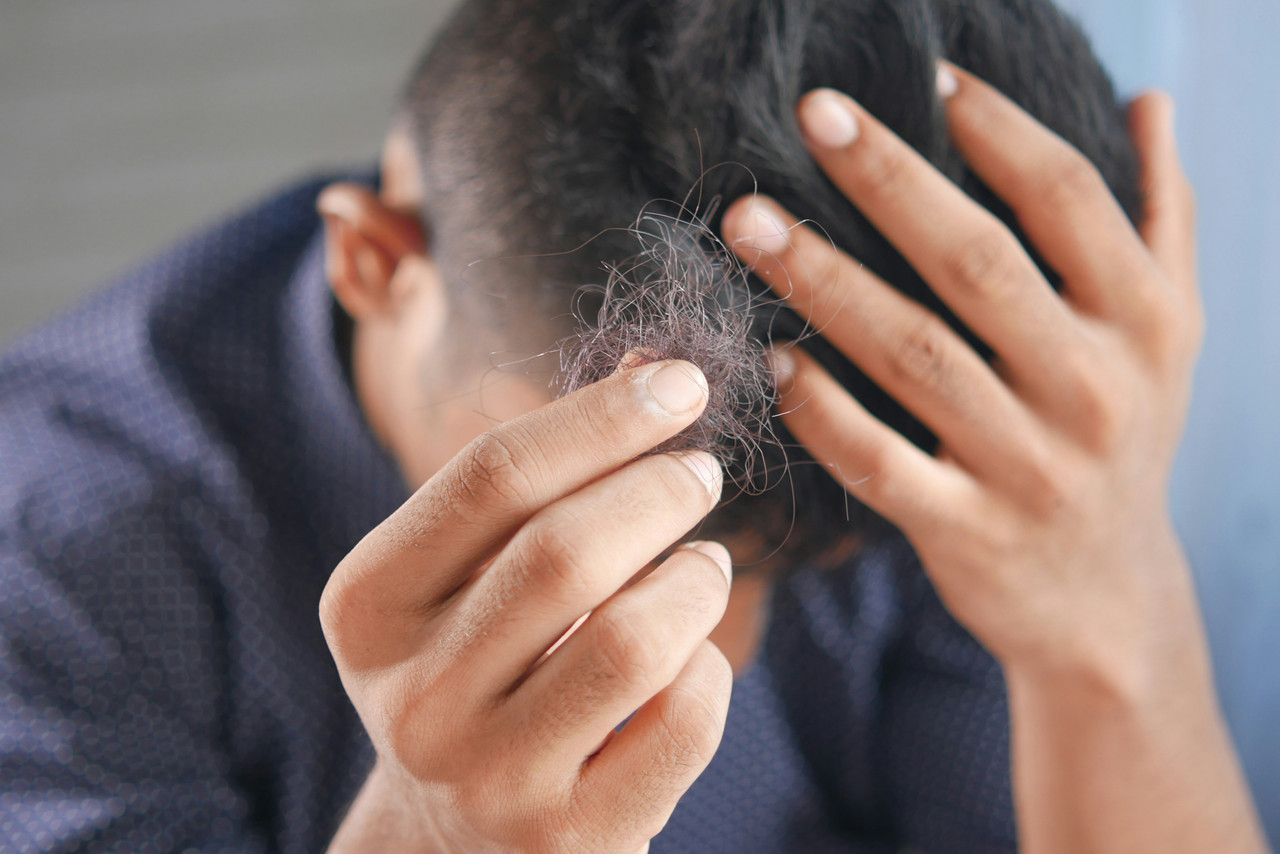
Hair loss affects millions of men and women worldwide, often affecting confidence and quality of life. While traditional treatments like topical solutions and oral medications remain popular, modern regenerative medicine has introduced a powerful complementary option: Platelet-Rich Plasma, commonly known as PRP. Supported by scientific evidence, PRP is now considered an promising non-surgical approach for hair restoration.
Platelet-Rich Plasma: Mechanism and Function in Hair Loss
PRP is derived from the patient’s own blood. A small blood sample is taken and processed using a centrifuge to isolate plasma that is rich in platelets. The platelets are loaded with growth factors, which are essential for tissue repair and stimulating cell regeneration. When injected into the scalp, PRP targets weakened hair follicles, stimulating them to re-enter the growth phase of the hair cycle.The science behind PRP lies in its ability to improve blood supply to the follicles, reduce inflammation around them, and activate stem cells in the follicle bulge. Together, these effects can slow hair loss and support the growth of denser, healthier hair.
Clinically Proven Advantages of PRP in Hair Restoration
Clinical studies have shown that PRP can significantly improve hair density and hair shaft thickness, particularly in individuals with androgenetic alopecia. Since PRP comes from the patient’s own blood, the likelihood of allergic reactions or major side effects is minimal. This makes it an appealing option for patients looking for a natural, minimally invasive treatment.Another important benefit is that PRP works well alongside other hair loss solutions. When combined with hair transplants, PRP can improve graft survival and speed up recovery. For patients not ready for surgery, PRP can serve as a standalone treatment to slow progression and maintain existing hair.